We’ve moved to our new location at 4205 San Felipe Rd, Suite 200, San Jose, CA 95135

Create a Smile You Feel Proud to Share
Small concerns with your teeth can affect how you feel when you smile, speak, or take photos. Stains that do not respond to whitening, worn edges, chips, gaps, and uneven tooth shapes can all make a smile feel less like your own.
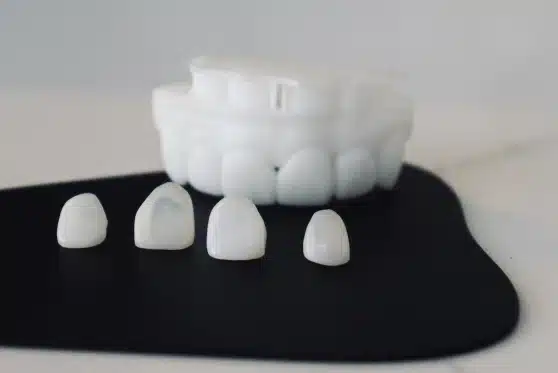
Traditional veneers are thin, custom-made coverings placed on the front of visible teeth. They can improve several cosmetic concerns at once while keeping the result natural-looking. At Arbor Dental Group, we take time to understand what you would like to change and help you consider your options.
What Can Traditional Veneers Improve?
Traditional veneers may help improve the appearance of teeth with:
- Deep staining that whitening cannot fully lift
- Small chips or worn edges
- Uneven tooth length or shape
- Small gaps between teeth
- Mild crowding or crooked-looking front teeth
- Teeth that appear too small or narrow
- Old cosmetic bonding that no longer blends with your smile
Veneers are a cosmetic option. During your consultation, the dentist will check your teeth and gums to make sure they are healthy before moving forward.
Benefits of Traditional Veneers
Traditional veneers can offer a meaningful change without replacing your natural teeth.
- Natural-Looking Appearance: Each veneer is planned to blend with your facial features, smile line, and surrounding teeth. You can choose a result that looks bright and refreshed without looking overly white.
- Long-Lasting Cosmetic Improvement: With proper care, porcelain veneers can last for many years. They are made to handle normal daily activities like eating and speaking.
- Stain Resistance: Porcelain is less likely to pick up stains from coffee, tea, red wine, and other common foods than natural enamel. Regular brushing and professional cleanings still matter.
- More Than One Concern Addressed: A veneer can change color, shape, and surface appearance at the same time. This may be helpful when several front teeth have cosmetic concerns.
The Traditional Veneer Process at Arbor Dental Group
Getting traditional veneers usually takes more than one visit. Every smile is different, so the exact steps may vary.
Step 1: Smile Consultation
Your visit begins with a conversation about your smile goals. The dentist will examine your teeth and gums, discuss your concerns, and explain whether traditional veneers may be a fit.
Step 2: Smile Planning
We will plan the shape, shade, and number of veneers needed for your smile. This step helps create a result that looks balanced with your surrounding teeth.
Step 3: Tooth Preparation
For traditional veneers, a small amount of enamel is usually removed from the front surface of the tooth. This creates room for the veneer and helps it sit naturally.
Step 4: Temporary Veneers, If Needed
Temporary veneers may be placed while your final veneers are being made. They help protect the prepared teeth and give you a preview of your updated smile.
Step 5: Final Placement
Once your final veneers are ready, the dentist will check their fit, color, and appearance. The veneers are then bonded securely to your teeth.
Traditional Veneers vs. Neer Veneers: Both Are Great Options
Traditional veneers and Neer Veneers can both improve the appearance of your smile. Neither option is automatically right for every person. The choice depends on your teeth, your cosmetic goals, and how much tooth preparation may be needed. A consultation is the right time to compare them carefully and discuss what is possible for your teeth.
| Traditional Veneers | Neer Veneers |
|---|---|
| Usually require some enamel adjustment | May require little to no enamel adjustment in some cases |
| Can be helpful for larger changes in tooth color, shape, or position | Can be helpful for patients seeking a more conservative approach |
| Often made from porcelain | Made from thin porcelain-like material |
| May be recommended when more space is needed for the desired result | May be recommended when natural tooth structure can be preserved |
Are Traditional Veneers Right for You?
Traditional veneers may be worth considering if you have healthy teeth and gums and would like to improve the look of your front teeth. They may be an option if whitening, bonding, or orthodontic treatment does not fully address your concerns.
Veneers may not be the right first step for everyone. Active gum disease, untreated decay, or heavy teeth grinding may need attention before cosmetic treatment. If you grind or clench your teeth, a nightguard may be recommended to help protect your veneers.
Caring for Traditional Veneers
Veneers do not require complicated care. Simple daily habits can help protect your smile.
- Brush twice a day with a non-abrasive toothpaste
- Floss daily around each tooth
- Keep up with routine dental exams and cleanings
- Avoid biting ice, pens, fingernails, or hard objects
- Wear a nightguard if you grind or clench your teeth
- Use a mouthguard during contact sports
Although porcelain is durable, veneers can chip or crack under strong pressure. Contact our office if a veneer feels loose, damaged, or uncomfortable.
Ready to Explore Your Smile Options?
If you are ready to explore a brighter, more balanced smile, Arbor Dental Group is here to help. Schedule a consultation to discuss traditional veneers, Neer Veneers, and the option that fits your smile goals.
Contact us at Arbor Dental Group to safeguard your family's smiles through our family dentistry services in San Jose.
 Back
Back Back
Back