We’ve moved to our new location at 4205 San Felipe Rd, Suite 200, San Jose, CA 95135


Denture Mistakes You’re Making Every Day That Cost You Years

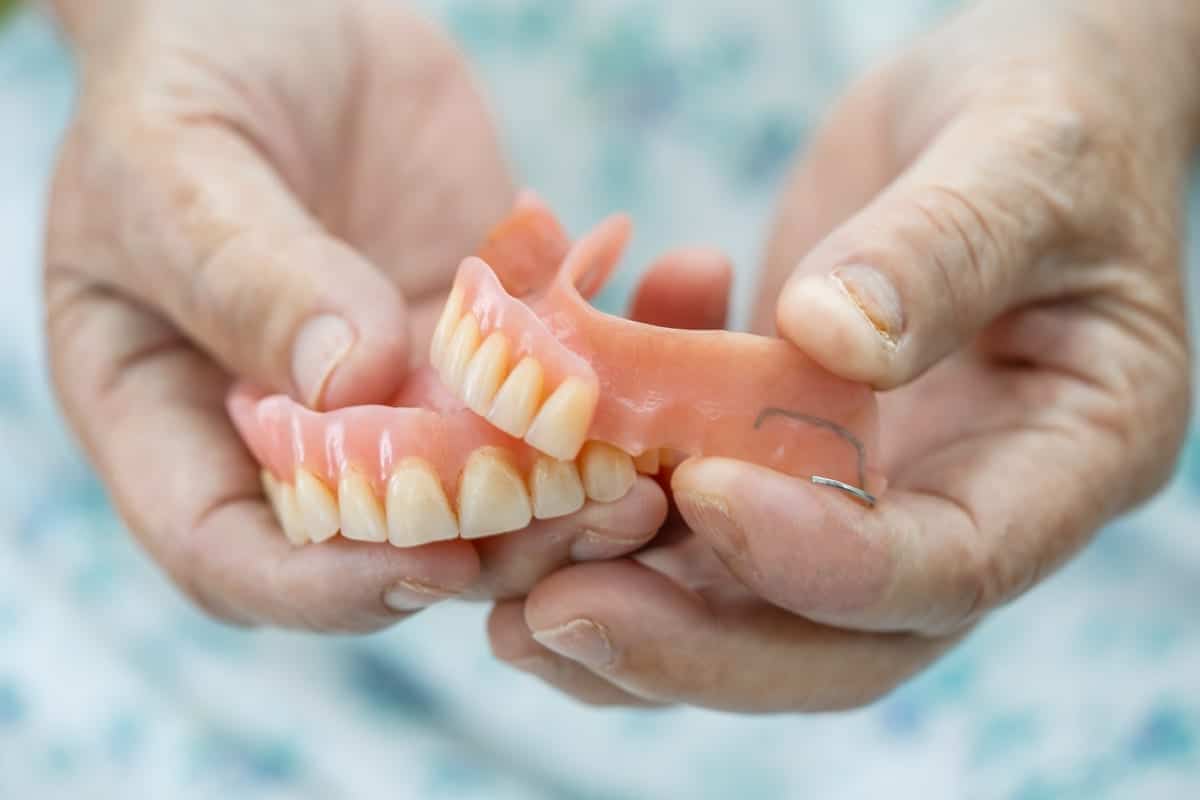
Most San Jose residents with dentures don’t realize they’re making mistakes every single day. These small missteps quietly shorten denture lifespan and harm gum health. The denture mistakes you’re making every day that cost you years in San Jose often seem harmless. Dr. Mark Ajlouni at Arbor Dental Group San Jose sees the results of these habits regularly — and they’re completely preventable.
The good news? A simple, consistent daily routine makes a dramatic difference. Understanding what you’re doing wrong is the first step toward protecting your investment and your smile.
Common Denture Cleaning Mistakes That Damage Your Appliance
Cleaning your dentures the wrong way is one of the most damaging daily habits. Many patients reach for regular toothpaste without thinking twice. Standard toothpaste contains abrasive particles designed for natural enamel — not acrylic or porcelain denture materials. These tiny scratches accumulate quickly and create hiding spots for harmful bacteria.
Another frequent mistake is scrubbing too hard. Aggressive brushing warps the denture base over time. Use a soft-bristled denture brush and gentle, circular strokes instead. Rinse thoroughly after every meal to remove food debris before it hardens.
- Never use whitening toothpaste on dentures — it causes micro-abrasions
- Avoid stiff-bristled brushes that scratch the surface
- Skip bleach-based cleaners unless your dentist specifically recommends them
- Always use products labeled safe for denture use
- Rinse dentures after every meal, not just at bedtime
These cleaning errors seem minor in the moment. Over months and years, however, they visibly age and weaken your dentures. Catching these habits early protects both your appliance and your oral health.
Soaking and Overnight Storage Errors That Cost You Years in San Jose
How you store your dentures overnight matters just as much as how you clean them. Many patients leave dentures out on a dry surface. Dentures are designed to stay moist — drying out causes warping and cracking. A warped denture no longer fits correctly, which accelerates gum irritation and bone loss.
Hot water is another common enemy. Some patients soak dentures in warm or hot water thinking it sanitizes better. Heat distorts the denture shape permanently. Always use cool or lukewarm water for soaking and rinsing.
Not all soaking solutions are equal either. Plain water is acceptable, but denture-specific soaking solutions provide antibacterial protection. Follow the soaking time on the product label — over-soaking in some solutions can also cause damage. Ask Dr. Ajlouni which soaking routine best fits your specific denture type.
- Soak dentures every night in a denture-safe solution or cool water
- Never let dentures dry out completely between wearings
- Avoid hot water at all stages of cleaning and storage
- Use a clean, covered container to prevent contamination
- Replace soaking solution daily to prevent bacterial buildup
Handling Mistakes That Lead to Cracks, Chips, and Early Replacement
Dentures are more fragile than they look. Dropping them is the leading cause of cracking and chipping. Many patients handle their dentures over hard bathroom countertops or tile floors. A single fall from that height can cause irreparable damage. Try filling your sink with water or placing a folded towel underneath when handling your dentures.
Bending or twisting dentures while cleaning is another serious mistake. Some patients apply pressure to reshape a slightly loose denture themselves. This damages the structural integrity and throws off the fit further. Any adjustment must come from a dental professional.
DIY repair kits sold at drugstores are also problematic. The glues and adhesives in these kits are not safe for oral use. They can cause chemical burns to gum tissue and make professional repair far more complicated. If your denture breaks or cracks, contact Arbor Dental Group San Jose promptly for a professional assessment.
Wearing Habits That Quietly Destroy Denture Fit and Gum Health
Wearing dentures 24 hours a day is one of the most damaging mistakes patients make. Your gums and underlying bone need rest from the pressure of dentures. Continuous wear accelerates bone resorption — the gradual loss of jawbone beneath the gum line. This leads to an increasingly poor fit and the need for earlier replacement.
Skipping regular dental visits is equally harmful. Gum tissue and bone structure change naturally over time. Dentures that fit well at placement can become loose within a year or two without professional adjustments. Loose dentures cause sores, difficulty chewing, and accelerated bone loss. Routine checkups with Dr. Ajlouni catch these changes before they become serious problems.
If you’re exploring ways to stabilize your smile long-term, Cosmetic Dentistry San Jose at Arbor Dental Group offers several options tailored to your needs. For patients interested in longer-lasting restorations, learning about Crowns And Veneers San Jose Cosmetic Dentist And Lanap Expert San Jose may open up additional treatment paths worth considering.
Your diet also plays a role in denture wear. Extremely hard or sticky foods put excessive stress on denture materials and adhesive bonds. Chewing ice, biting nails, or opening packages with your teeth are habits that cause unnecessary damage. Protecting your dentures means being mindful of how you use them every day.
Building the Right Daily Denture Care Routine
A proper daily routine doesn’t need to be complicated. Consistency is the real key to extending denture lifespan. Start each morning by rinsing your dentures after removing them from their overnight soak. Brush gently with a denture brush and approved cleaner before placing them in your mouth.
Throughout the day, rinse after meals whenever possible. At night, remove your dentures and brush them again before soaking. Also brush your gums, tongue, and the roof of your mouth with a soft toothbrush. This removes plaque and stimulates circulation in gum tissue, keeping your mouth healthier overall.
Schedule professional cleanings and exams at least once per year — or more frequently if your dentist recommends it. Dr. Ajlouni evaluates denture fit, checks for wear patterns, and assesses gum health at every visit. These appointments catch the small changes that lead to major problems if left unaddressed.
Conclusion
The denture mistakes you’re making every day that cost you years in San Jose are fixable with the right knowledge. A consistent routine and regular professional care make all the difference in how long your dentures last. Don’t wait until discomfort or damage forces the issue. Book Now to schedule your appointment with our team.
Frequently Asked Questions
How often should I clean my dentures each day?
You should clean your dentures at least twice a day — once in the morning and once at night. Rinsing after every meal is also strongly recommended. This prevents food buildup and bacterial growth that damages both the denture material and your gum tissue.
Can I sleep with my dentures in every night?
Most dentists, including Dr. Ajlouni, recommend removing dentures at night. Wearing them continuously doesn’t allow your gum tissue and jawbone to rest. Extended wear accelerates bone loss beneath the gums and increases the risk of fungal infections and sore spots.
What happens if my denture cracks or breaks?
Contact your dental office as soon as possible if your denture cracks or breaks. Do not attempt to repair it at home with over-the-counter adhesive kits. These products are not safe for oral use and can make professional repair more difficult or impossible.
How long should dentures last with proper care?
Well-maintained dentures typically last between five and ten years. However, changes in your jaw and gum tissue mean the fit may need adjustment sooner. Regular dental checkups help catch fit issues early and extend the functional lifespan of your dentures.
Why do my dentures feel loose even though they are fairly new?
Bone resorption beneath the gum line can cause dentures to loosen even within the first year or two. This is a natural biological process that occurs after tooth loss. Routine professional adjustments and annual exams help maintain a proper, comfortable fit over time.

 Back
Back Back
Back