We’ve moved to our new location at 4205 San Felipe Rd, Suite 200, San Jose, CA 95135
Dental Implants Alum Rock: Your Most Common Questions Answered

Dental Implants Alum Rock: Your Most Common Questions Answered
Thinking about dental implants in Alum Rock? You probably have questions. That’s completely normal and expected.
Dental implants represent a significant investment in your oral health. Understanding what to expect helps you make informed decisions with confidence.
At Arbor Dental Group San Jose, Dr. Mark Ajlouni answers these questions every day. This guide addresses the most common concerns patients in Alum Rock and surrounding areas share about dental implants.
What Exactly Are Dental Implants and How Do They Work?
Dental implants are titanium posts that replace missing tooth roots. They’re surgically placed into your jawbone beneath the gum line.
Once in place, the implant fuses with your natural bone through a process called osseointegration. This typically takes three to six months.
After fusion completes, your dentist attaches a custom crown to the implant. The result looks, feels, and functions like a natural tooth.
Implants offer several advantages over traditional bridges or dentures:
- They don’t require grinding down adjacent healthy teeth
- They preserve jawbone density and prevent bone loss
- They’re permanent and don’t slip or shift while eating or speaking
- They can last a lifetime with proper care
How Long Does the Dental Implant Process Actually Take?
The complete dental implant process typically spans three to nine months. Several factors influence the exact timeline.
Your first appointment includes examination, X-rays, and treatment planning. If you need tooth extraction or bone grafting, that happens first.
The implant placement surgery itself takes about one to two hours per implant. You’ll need three to six months for the implant to integrate with your jawbone.
After osseointegration, you return for abutment placement and crown fabrication. Final crown placement usually occurs two to three weeks later.
Dr. Mark Ajlouni creates personalized treatment timelines during your consultation. Every patient heals differently based on individual factors.
Will Getting Dental Implants Hurt During or After the Procedure?
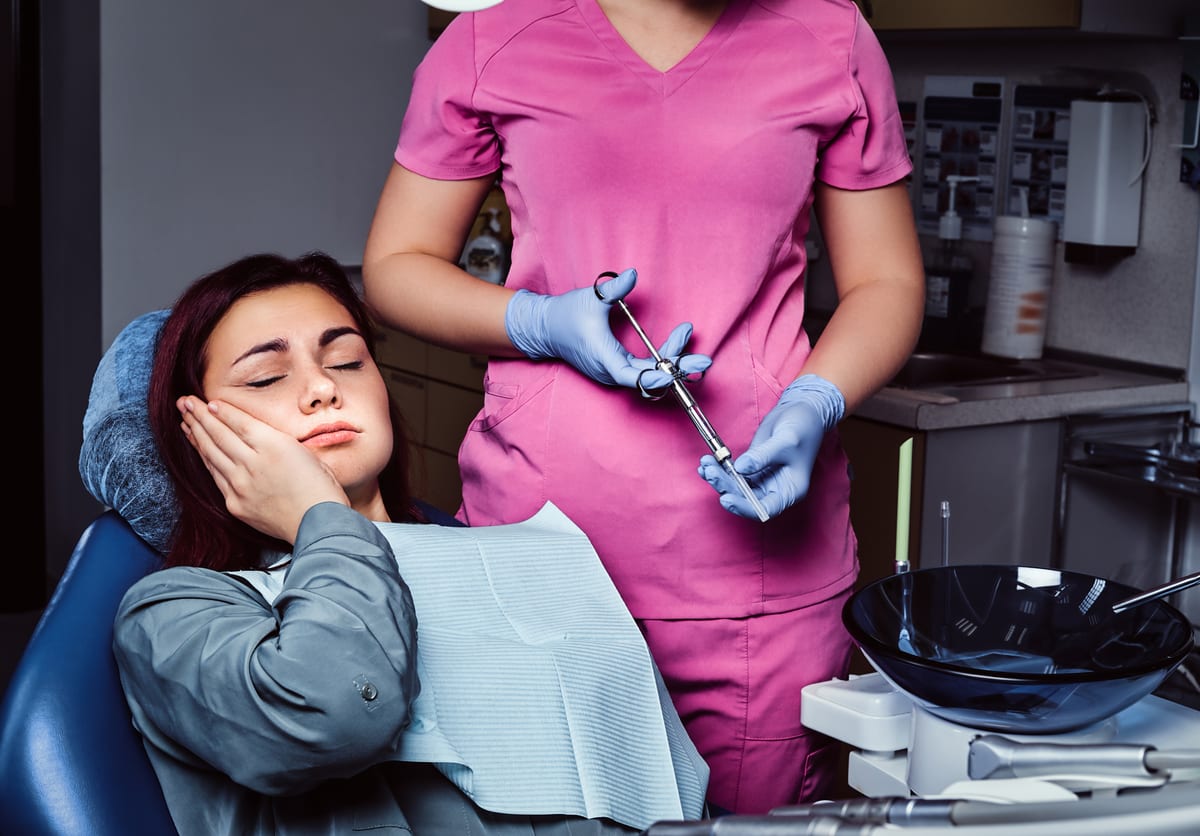
Most patients report minimal discomfort during dental implant surgery. Local anesthesia numbs the treatment area completely.
You’ll feel pressure and movement during the procedure. But you shouldn’t experience pain while Dr. Ajlouni works.
After surgery, some tenderness and swelling are normal. Most patients describe it as less painful than a tooth extraction.
Over-the-counter pain relievers usually manage post-operative discomfort effectively. Prescription medication is available if needed.
Discomfort typically peaks within 48 to 72 hours. Most patients return to normal activities within a few days.
Following post-operative instructions carefully minimizes pain and speeds healing. This includes eating soft foods, avoiding the surgical site, and maintaining gentle oral hygiene.
Am I a Good Candidate for Dental Implants in Alum Rock?
Most adults with good overall health qualify as dental implant candidates. However, certain factors affect eligibility.
You need adequate jawbone density to support the implant. If bone loss has occurred, bone grafting can often solve this issue.
Good candidates typically meet these criteria:
- Healthy gums free from periodontal disease
- Sufficient bone density or willingness to undergo bone grafting
- Commitment to excellent oral hygiene habits
- Non-smokers or those willing to quit during treatment
- Realistic expectations about treatment outcomes
Certain medical conditions may complicate implant placement. These include uncontrolled diabetes, autoimmune disorders, or recent radiation therapy.
The only way to know for certain is through a comprehensive evaluation. Dr. Ajlouni assesses your specific situation and recommends the best approach.
How Do I Care for My Dental Implants After Placement?
Dental implants require the same care as natural teeth. Proper maintenance ensures they last for decades.
Brush twice daily with a soft-bristled toothbrush. Use low-abrasive toothpaste to avoid scratching the crown surface.
Floss daily around the implant crown and abutment. Special floss designed for implants makes this easier.
Regular professional cleanings remain essential. Visit our practice every six months for checkups and cleanings.
Avoid chewing extremely hard foods like ice or hard candy. While implants are strong, excessive force can damage the crown.
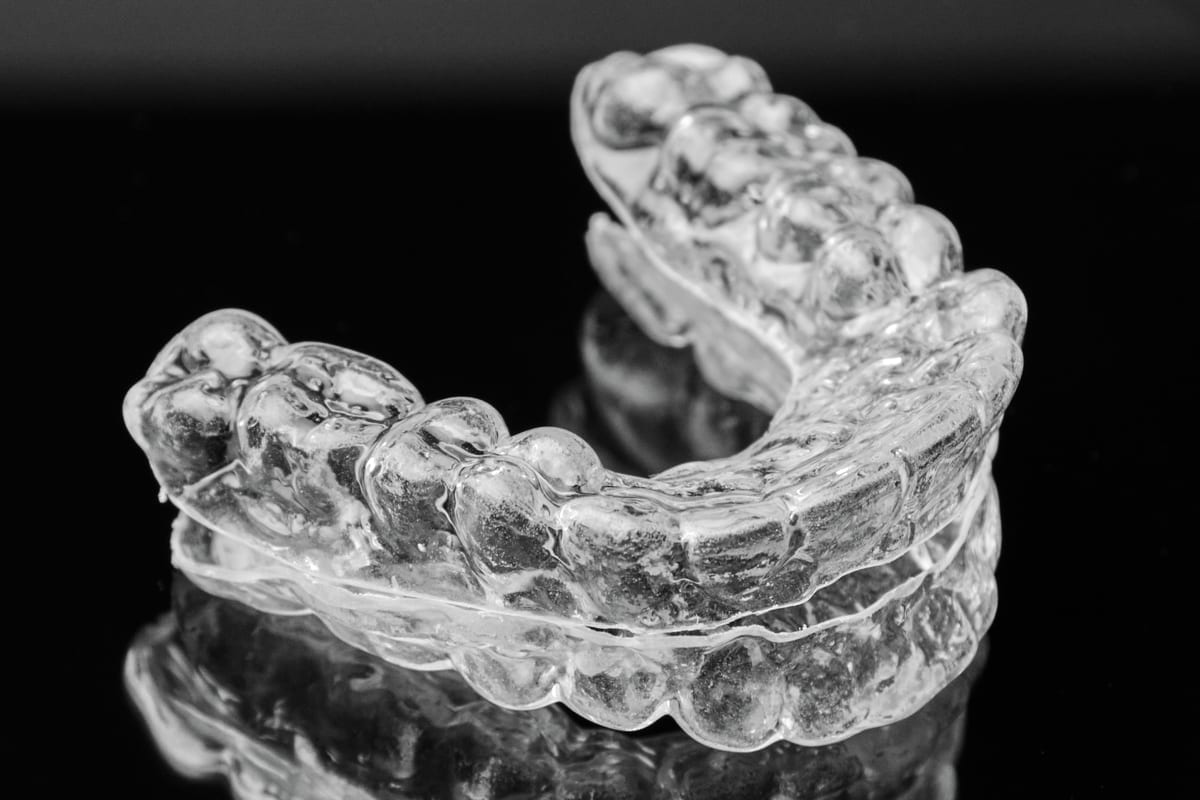
If you grind your teeth at night, wear a protective nightguard. This prevents unnecessary stress on your implants.
Can I Drive Home After Dental Implant Surgery?
Your ability to drive after surgery depends on the type of sedation used. Local anesthesia alone allows you to drive yourself home.
If you choose oral sedation or IV sedation, you’ll need someone to drive you. Sedation medications impair judgment and reaction time.
Even with local anesthesia only, some patients prefer having a driver. The procedure itself isn’t physically taxing, but some feel emotionally drained afterward.
Plan ahead and arrange transportation before your appointment. This removes stress on surgery day and ensures you get home safely.
Most patients feel well enough to resume driving within 24 hours. Give yourself time to rest and recover before getting behind the wheel.
What Should I Eat After Getting Dental Implants?
Your post-surgery diet plays a crucial role in healing. Soft foods reduce stress on the surgical site.
For the first few days, stick to liquids and very soft foods. Smoothies, yogurt, applesauce, and soup work well.
As healing progresses, gradually introduce slightly firmer foods. Scrambled eggs, mashed potatoes, pasta, and soft fish are good options.
Avoid these foods during initial healing:
- Hard, crunchy items like chips or raw vegetables
- Chewy foods that require excessive jaw movement
- Very hot foods or beverages that increase swelling
- Acidic foods that may irritate the surgical site
- Small seeds or grains that could lodge in the area
Most patients return to their normal diet within two to four weeks. Listen to your body and progress gradually.
This late spring season in Alum Rock is perfect for enjoying cool, soft foods. Fresh fruit smoothies and chilled soups provide nutrition while soothing post-surgical discomfort.
How Much Do Dental Implants Cost and Are There Payment Options?
Dental implant costs vary based on several factors. These include the number of implants needed, whether bone grafting is required, and crown material selection.
A single dental implant typically ranges from several thousand dollars to more. Multiple implants or full-arch restorations cost more but offer better per-tooth value.
While implants cost more upfront than bridges or dentures, they often prove more economical long-term. They last significantly longer and don’t require periodic replacement.
Arbor Dental Group San Jose offers flexible payment plans to make treatment accessible. We work with third-party financing companies that provide monthly payment options.
During your consultation, we provide a detailed cost breakdown. This includes all phases of treatment so you understand the complete investment.
Many families in Alum Rock schedule consultations around graduation season or Mother’s Day. Planning ahead helps budget for this important investment in your smile.
What Happens If a Dental Implant Fails?
Dental implant success rates exceed 95 percent when placed by experienced professionals. Failure is uncommon but possible.
Early failures usually occur within the first few months. These typically result from infection, inadequate bone integration, or excessive force during healing.
Late failures can happen years later. They’re often caused by peri-implantitis, a condition similar to gum disease around implants.
Signs of potential implant problems include persistent pain, swelling, looseness, or gum recession. Contact Dr. Ajlouni immediately if you notice these symptoms.
If an implant fails, it can usually be removed and replaced. The bone needs time to heal before placing a new implant.
Following post-operative instructions and maintaining excellent oral hygiene dramatically reduce failure risk. Regular dental visits catch potential issues early.
Why Choose Arbor Dental Group San Jose for Dental Implants in Alum Rock?
Selecting the right dental practice for implant treatment matters tremendously. Experience and expertise directly impact outcomes.
Dr. Mark Ajlouni brings extensive training and years of experience to every implant procedure. He uses advanced technology and proven techniques.
Our practice serves patients throughout Alum Rock, Seven Trees, Communications Hill, and East Foothills. We understand the unique needs of our local community.
We prioritize patient education and comfort throughout the treatment process. You’ll never feel rushed or pressured into decisions.
Our team creates personalized treatment plans based on your specific goals and circumstances. We consider both immediate needs and long-term oral health.
State-of-the-art digital imaging and 3D planning ensure precise implant placement. This technology improves outcomes and reduces treatment time.
If you’re ready to restore your smile with confidence, we’re here to help. Book Now to schedule your appointment with our team.
Frequently Asked Questions
How many dental implants can be placed at one time?
Multiple implants can be placed during a single surgery. The exact number depends on your bone quality, overall health, and treatment plan. Some patients receive a full arch of implants in one appointment. Dr. Ajlouni evaluates your specific situation to determine the safest and most effective approach.
Do dental implants set off metal detectors at airports?
Dental implants will not trigger airport metal detectors or security scanners. The titanium used in implants is non-magnetic and the amount is too small to register. You can travel confidently without worrying about your dental work causing security issues.
Can I get dental implants if I have gum disease?
Active gum disease must be treated before implant placement. Infection compromises healing and increases failure risk. Dr. Ajlouni will address periodontal issues first, then proceed with implants once your gums are healthy. This ensures the best possible outcome for your investment.
What’s the difference between dental implants and dentures?
Dental implants are permanently anchored in your jawbone and function like natural teeth. Dentures are removable appliances that rest on your gums. Implants preserve bone, don’t slip, and feel more natural. Dentures are less expensive initially but may need replacement every five to ten years.
Will people be able to tell I have dental implants?
Properly placed dental implants look completely natural. Dr. Ajlouni matches the color, shape, and size of your existing teeth. The crown emergence through the gum mimics natural tooth anatomy. Even dental professionals have difficulty distinguishing well-made implants from natural teeth.

 Back
Back Back
Back