We’ve moved to our new location at 4205 San Felipe Rd, Suite 200, San Jose, CA 95135


Dental Bridge in San Jose, CA

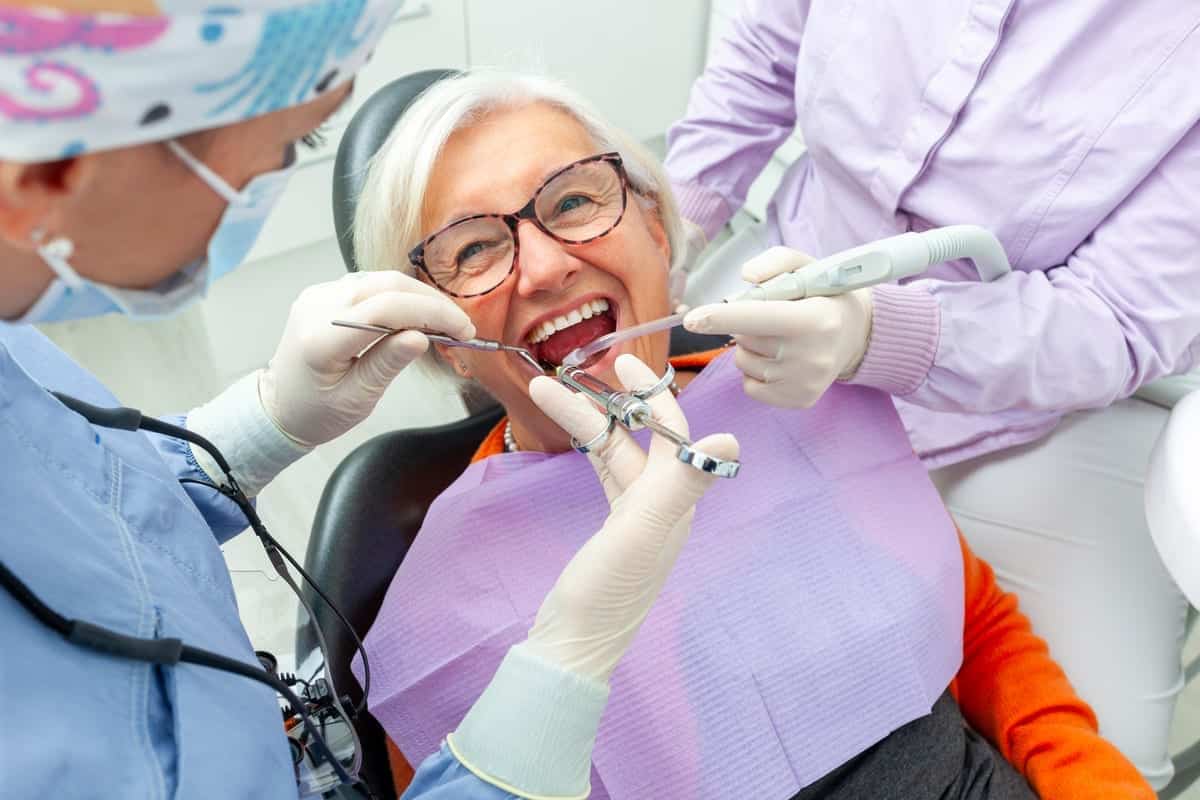
If you live in Communications Hill and you’re missing a tooth, you might be tempted to wait. Maybe it doesn’t hurt yet. Maybe it’s in the back where no one notices. But understanding why delaying a dental bridge costs you more than you think in Communications Hill could change your decision entirely. What starts as a single missing tooth can quietly set off a chain reaction that affects your entire mouth.
Dr. Mark Ajlouni at Arbor Dental Group San Jose helps patients understand that timing matters enormously with dental care. The longer a gap remains in your smile, the more complex and costly your treatment options become. This article breaks down exactly what happens when you wait — and why acting sooner protects both your oral health and your wallet.
What Happens to Your Mouth When a Tooth Goes Missing
Teeth do more than help you chew. They hold each other in place. When one disappears, the surrounding teeth begin to drift toward the empty space. This shifting is gradual, but it’s relentless. Over months and years, your bite changes in ways that are difficult to reverse.
The bone beneath a missing tooth also begins to shrink. Without a tooth root stimulating the jawbone, the body reabsorbs that bone tissue. This process is called bone resorption, and it starts within weeks of losing a tooth. A shrunken jawbone changes the shape of your face over time.
Your remaining teeth work harder to compensate for the missing one. This extra stress causes uneven wear, micro-fractures, and increased sensitivity. What began as one missing tooth can eventually compromise several healthy teeth around it.
Why Delaying a Dental Bridge Costs You More in Communications Hill
The financial reality is straightforward. A dental bridge placed early is far less expensive than the cascade of treatments required later. Patients who delay often end up needing bone grafts, gum therapy, and crowns on adjacent teeth that have shifted or cracked.
Consider what comprehensive Cosmetic Dentistry can address when you act early versus when you wait. Early intervention usually means a simpler, more affordable procedure. Late intervention means treating multiple problems at once — each one adding to your overall cost and recovery time.
Communications Hill residents also deal with busy schedules. A single bridge appointment involves far less downtime than multiple surgical procedures spread over months. Protecting your time is just as important as protecting your budget. Acting now means fewer appointments and faster results.
- Bone loss begins within weeks of losing a tooth
- Adjacent teeth shift into the gap within months
- Bite misalignment increases wear on healthy teeth
- Delayed treatment often requires bone grafts before a bridge is even possible
- Gum disease risk increases around an untreated gap
The Hidden Domino Effect on Your Overall Health
Oral health connects directly to your overall well-being. Gaps in your smile make chewing difficult. Many patients unconsciously avoid certain foods, which can affect nutrition over time. Chewing on one side also strains your jaw joint, sometimes leading to TMJ discomfort.
Gum tissue around an empty socket is more vulnerable to bacteria. Without a tooth filling that space, food particles and plaque accumulate more easily. This creates a breeding ground for gum disease, which research links to systemic conditions including heart disease and diabetes.
Your confidence takes a hit too. Patients with missing teeth often report avoiding social situations or feeling self-conscious when speaking. These psychological effects are real and they compound over time. A dental bridge restores not just function but also your quality of life.
What a Dental Bridge Actually Involves
A dental bridge uses the two teeth on either side of the gap as anchors. These anchor teeth — called abutment teeth — receive dental crowns. The artificial tooth in the middle, called a pontic, fills the empty space. Learning about Crowns And Veneers San Jose Cosmetic Dentist And Lanap Expert options helps you understand how these components work together seamlessly.
The entire process typically requires two visits. At the first visit, Dr. Ajlouni prepares the abutment teeth and takes precise impressions. A temporary bridge protects your teeth while the permanent one is crafted. At the second visit, the permanent bridge is placed and adjusted for a perfect fit.
Here is what most patients can expect during the process:
- Initial consultation and digital X-rays to assess bone health
- Tooth preparation and impressions at the first appointment
- Temporary bridge placement to protect your teeth in between visits
- Permanent bridge fitting and final adjustments at the second appointment
- Follow-up care instructions and routine checkups going forward
Modern bridges look and feel completely natural. They restore full chewing function and blend seamlessly with your surrounding teeth. Most patients are surprised by how comfortable and lifelike the final result feels.
When to Take Action as a Communications Hill Resident
The best time to replace a missing tooth is as soon as possible after losing it. If you have already waited a while, do not let that discourage you. Dr. Ajlouni evaluates each patient individually to determine the most effective path forward given your current bone and gum health.
Some patients who have waited longer may need preparatory treatment before a bridge is placed. This might include a deep cleaning or a minor bone graft. These steps are far less involved when addressed before significant deterioration occurs. Every month of delay can mean more preparation work down the line.
If you are in Communications Hill and wondering whether a bridge is right for you, a consultation is the best first step. Dr. Ajlouni and the team at Arbor Dental Group San Jose take time to explain your options clearly. You will leave with a complete understanding of what your smile needs and why. Book Now to schedule your appointment with our team.
Frequently Asked Questions
How long does a dental bridge last?
With proper care, a dental bridge typically lasts between 10 and 15 years. Many patients enjoy their bridges for even longer with consistent brushing, flossing under the bridge, and regular professional cleanings. The longevity of your bridge depends largely on your daily oral hygiene habits and routine dental visits.
Is getting a dental bridge painful?
Most patients experience very little discomfort during the bridge procedure. Dr. Ajlouni uses local anesthesia to numb the area before preparing the abutment teeth. You may feel mild sensitivity for a few days after each appointment, but this is temporary and manageable with over-the-counter pain relief.
Can I eat normally with a dental bridge?
Yes, a well-placed bridge restores full chewing function. You should avoid extremely hard or sticky foods that could dislodge or crack the bridge. Otherwise, most patients return to eating a normal diet shortly after their permanent bridge is placed. Your dentist will provide specific dietary guidance based on your case.
What happens if I never replace a missing tooth?
Leaving a gap untreated leads to bone loss, tooth shifting, bite problems, and increased risk of gum disease. Over time, the surrounding teeth can become loose or damaged. What starts as one missing tooth can eventually result in multiple teeth needing treatment, significantly increasing both complexity and cost.
How is a dental bridge different from a dental implant?
A dental implant replaces the tooth root with a titanium post surgically placed in the jawbone. A bridge uses adjacent teeth as anchors and does not require surgery. Both are effective solutions, but they differ in procedure, timeline, and candidacy requirements. Dr. Ajlouni will help you determine which option is best suited for your specific situation during a consultation.

 Back
Back Back
Back