
San Jose, CA

Dental Wellness: How Local Water Hardness Affects Your Teeth

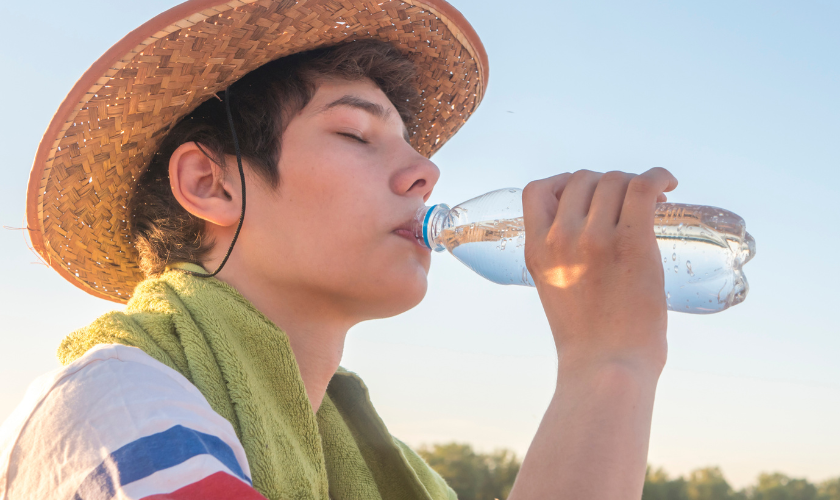
Did you know that the type of water you drink can affect your dental health? You likely don’t give your tap water much thought, but the minerals in it, especially calcium and magnesium, can make a big difference to the health of your teeth over time. This is even more so in San Jose because of the inconsistency in water hardness, which has a varying impact on plaque collection and enamel erosion.
Today on the blog, we will be exploring what water hardness is, how it’s affecting your oral health, and how you can protect your smile. By the end, you’ll have a better appreciation of how the local water quality affects your teeth and what steps to take for superior dental health.
What Is Water Hardness?
Water hardness refers to the amount of dissolved calcium and magnesium minerals present in your tap water. These minerals occur naturally as water travels through rocks and soil.
While hard water isn’t dangerous to your health, it can affect more than just your plumbing and household appliances. When it comes to dental health, these minerals can build up on your teeth, forming plaque and tartar that are harder to remove.
Water hardness is usually measured in two main units: grains per gallon (GPG) or parts per million (PPM). A water hardness level of less than 60 PPM is considered soft, while anything over 120 PPM is considered hard.
San Jose, located in Santa Clara County, has an average water hardness level of around 150-200 PPM, which is considered moderately hard. This means that if you’re drinking tap water from local sources, it could contribute to mineral buildup on your teeth. For comparison, areas with soft water, like parts of the East Coast, typically have much lower mineral content, making them less likely to impact your teeth in the same way.
The Impact of Hard Water on Oral Health
Hard water can have several detrimental effects on your oral health. Here’s how:
Plaque and Tartar Buildup
The minerals in hard water, primarily calcium and magnesium, can leave behind a residue on your teeth after each brushing. Over time, this residue hardens into plaque, a sticky film of bacteria.
If not removed, plaque turns into tartar, a hard substance that can only be removed by a dentist. Tartar buildup can irritate your gums, leading to gum disease and cavities.
Staining
Hardwater minerals, particularly calcium, can cause discoloration of your teeth. This manifests as white spots or a cloudy film, which becomes more noticeable over time.
These stains are not only unsightly but also harder to remove with regular brushing, requiring professional cleaning to address.
Enamel Erosion
Tooth enamel, the outer protective layer of your teeth, is particularly vulnerable to the effects of hard water. As the minerals from hard water build up, they can erode enamel, leading to thinning and weakening of the teeth.
Without adequate enamel, your teeth become more susceptible to decay, and even routine tasks like eating hot or cold food can cause discomfort.
Cavities and Sensitivity
As enamel wears down due to hard water exposure, the underlying dentin becomes exposed. Dentin is more sensitive and vulnerable to damage, making your teeth prone to cavities.
Moreover, the exposed dentin can cause heightened sensitivity, especially to temperature changes, making it uncomfortable to eat or drink certain foods.
Overall, while hard water may not be an immediate threat, the long-term effects on your oral health can be significant. It’s important to take proactive steps to protect your teeth, including regular dental checkups and proper oral hygiene.
Signs You May Have Water Hardness Impacting Your Teeth
How can you tell if hard water is affecting your teeth? Look out for the following signs:
- Visible Stains or Buildup: One of the most obvious signs is a visible buildup of minerals on your teeth, which may appear as white spots, cloudy film, or yellowish stains.
- Increased Sensitivity: If your teeth are feeling more sensitive than usual, especially when consuming hot, cold, or sugary foods, it could be a sign that your enamel is thinning due to the effects of hard water.
- Dry Mouth or Unusual Taste: You might notice a dry, chalky sensation in your mouth after drinking tap water. This is a common side effect of high mineral content in the water, and it could also be contributing to the buildup on your teeth.
- Frequent Cavities: If you’re noticing cavities more often, hard water could be a contributing factor. The mineral deposits in the water can weaken enamel, making your teeth more prone to decay.
How to Protect Your Teeth from the Effects of Hard Water
Protecting your teeth from the damaging effects of hard water requires a combination of preventive measures and good oral hygiene practices. Here’s how you can minimize the impact:
Water Filtration Systems
One of the most effective ways to reduce the effects of hard water on your teeth is by installing a water softener or filtration system in your home. These systems remove excess calcium and magnesium from your water, making it less likely to contribute to plaque buildup, staining, and enamel erosion.
Consider having a professional assess your water quality and recommend the best filtration system for your home in San Jose.
Regular Dental Checkups
Regular visits to your dentist in San Jose are crucial for maintaining optimal oral health, especially if you live in an area with hard water. A dentist can detect early signs of plaque, tartar buildup, or enamel erosion and take steps to prevent further damage.
Professional cleanings are the only way to effectively remove tartar that may have built up over time. Aim for a dental checkup at least twice a year to stay on top of your dental health.
Proper Oral Hygiene Practices
Good oral hygiene is essential for counteracting the effects of hard water. Brush your teeth at least twice a day using a soft-bristled toothbrush and fluoride toothpaste.
Be sure to floss daily to remove food particles and plaque from between your teeth. Regular brushing and flossing will help prevent plaque from turning into tartar, which hard water can exacerbate.
Use of Anticavity Toothpaste
Fluoride toothpaste is your best defense against enamel erosion and cavities. Fluoride helps remineralize enamel, making it stronger and more resistant to decay caused by the minerals in hard water.
Choose a toothpaste that contains fluoride to give your teeth the added protection they need to withstand the effects of hard water.
By implementing these strategies, you can significantly reduce the negative impact of hard water on your teeth and maintain a healthy, bright smile.
In conclusion, while hard water isn’t harmful to your overall health, its effects on your dental wellness can be significant. From plaque buildup and staining to enamel erosion and increased sensitivity, the minerals in hard water can impact your smile over time. Fortunately, with regular dental care, the right filtration systems, and a solid oral hygiene routine, you can protect your teeth from these harmful effects.
If you’re concerned about the impact of hard water on your teeth, don’t wait! Schedule a consultation with Arbor Dental Group today to learn more about how you can maintain optimal dental health despite the water quality in San Jose.
FAQs
Does hard water cause tooth sensitivity?
Yes, the minerals in hard water can wear down enamel, leading to increased tooth sensitivity, especially to hot or cold foods and drinks.
Can hard water lead to cavities?
Over time, the buildup from hard water can weaken enamel, making teeth more susceptible to cavities if not properly cleaned.
What is the best toothpaste to use with hard water?
Toothpaste with fluoride is recommended, as it helps strengthen enamel and provides additional protection against decay and sensitivity.
How can I remove tartar caused by hard water?
Regular dental cleanings with a dentist can help remove tartar buildup. At-home brushing and flossing also help minimize plaque before it hardens into tartar.
Is San Jose’s water hardness considered high?
San Jose has moderately hard water, with mineral levels around 150-200 PPM, which can affect dental health over time if proper care is not taken.
 Back
Back
 Back
Back