We’ve moved to our new location at 4205 San Felipe Rd, Suite 200, San Jose, CA 95135
Broken Tooth Emergency Guide: What to Do, What to Avoid, and When to Act Fast

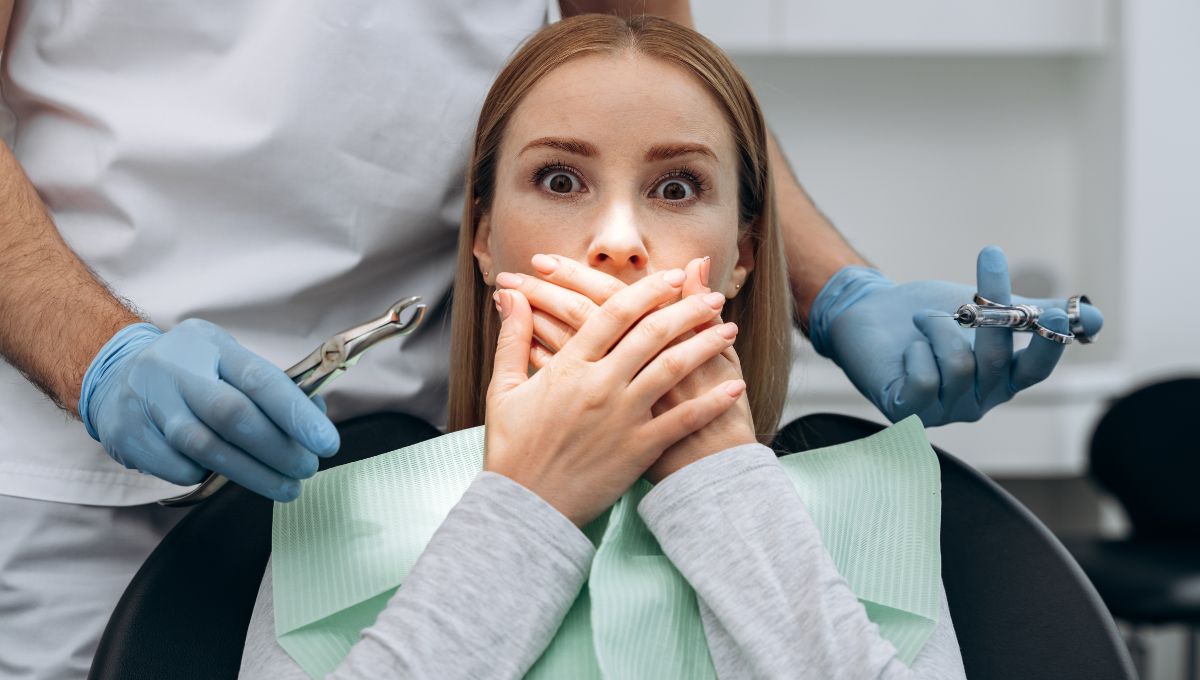
Imagine you’re out for a walk or enjoying your favorite snack when suddenly you bite into something too hard or take a misstep, and crack! You’ve broken a tooth. This is not just painful, but also alarming. Broken teeth can happen in the blink of an eye, and knowing what to do immediately is essential.
Dental emergencies, especially those involving broken teeth, require prompt attention to avoid further damage and complications. Whether it’s a chipped corner or a full fracture, understanding the right steps to take can make all the difference in saving your tooth and preventing long-term issues.
In this guide, we’ll walk you through exactly what to do right after breaking a tooth, what to avoid, and when it’s crucial to contact an emergency dentist like Arbor Dental Group. Let’s ensure that when a dental emergency strikes, you’re prepared.
What to Do Immediately After Breaking a Tooth
When you break a tooth, staying calm is key to managing the situation effectively. Panicking can cloud your judgment, so take a deep breath and assess the damage.
Stay Calm
The first thing to do is take a moment to breathe. Panic often leads to rash decisions, and in a dental emergency, calm thinking is essential for handling the situation effectively.
Control Bleeding
If your tooth injury causes bleeding, the next step is to control it. Use a clean cloth or gauze and apply gentle pressure to the area. This should help stem the flow of blood. If the bleeding continues for an extended period, you should seek medical attention promptly.
Save the Tooth Fragments
If possible, find the broken pieces of your tooth and save them. Rinse them with clean water (never use soap or chemicals), and place them in a small container with milk or saline solution. This helps preserve the tooth fragments until you can get to an emergency dentist in San Jose. Don’t try to reinsert the tooth yourself.
Manage Pain
To alleviate discomfort, apply a cold compress to the outside of your cheek near the broken tooth. This can reduce swelling and numb the pain. Over-the-counter pain relief medications, such as ibuprofen, can also help. Be sure to follow the recommended dosage, and avoid placing aspirin directly on the affected area as this can burn the gum tissue.
Rinse Your Mouth
After the injury, it’s important to rinse your mouth with warm water. This will clean the affected area and remove any debris, reducing the risk of infection. However, avoid using harsh mouthwashes, especially those with alcohol, as they can irritate your injured tooth and gums.
What to Avoid When Dealing with a Broken Tooth
While it’s essential to know what to do in an emergency, it’s equally important to avoid making the situation worse. Here’s what you should not do after breaking your tooth:
Avoid Using the Tooth
One of the biggest mistakes people make after breaking a tooth is continuing to use it. Don’t chew or bite with the damaged tooth, as it may worsen the break and lead to more significant damage. If possible, avoid chewing on that side of your mouth entirely.
Don’t Delay Seeking Help
Even if you’re not in severe pain, it’s crucial not to delay seeing a San Jose dentist. A broken tooth can expose the sensitive nerves inside your tooth, leading to infections if left untreated. Early treatment can save the tooth and prevent further damage. At Arbor Dental Group, we provide immediate care for dental emergencies, ensuring that you get the attention you need without delay.
Don’t Try to Fix It Yourself
Avoid trying to fix the broken tooth on your own. Many people resort to using superglue or other DIY methods to reattach tooth fragments. These approaches can cause more harm than good, increasing the risk of infection and complicating future dental treatments.
Avoid Hot/Cold Foods
Broken teeth are more susceptible to temperature sensitivity, so refrain from consuming hot or cold foods and drinks. This can cause discomfort or further irritate the damaged area. Stick to soft, room-temperature foods and avoid sugary or acidic substances that could worsen the pain or damage the tooth.
When to Act Fast: Recognizing a Dental Emergency
Not all broken teeth require immediate emergency care, but in some situations, acting fast is critical. Here are the signs that indicate you need urgent dental attention:
Severe Pain or Sensitivity
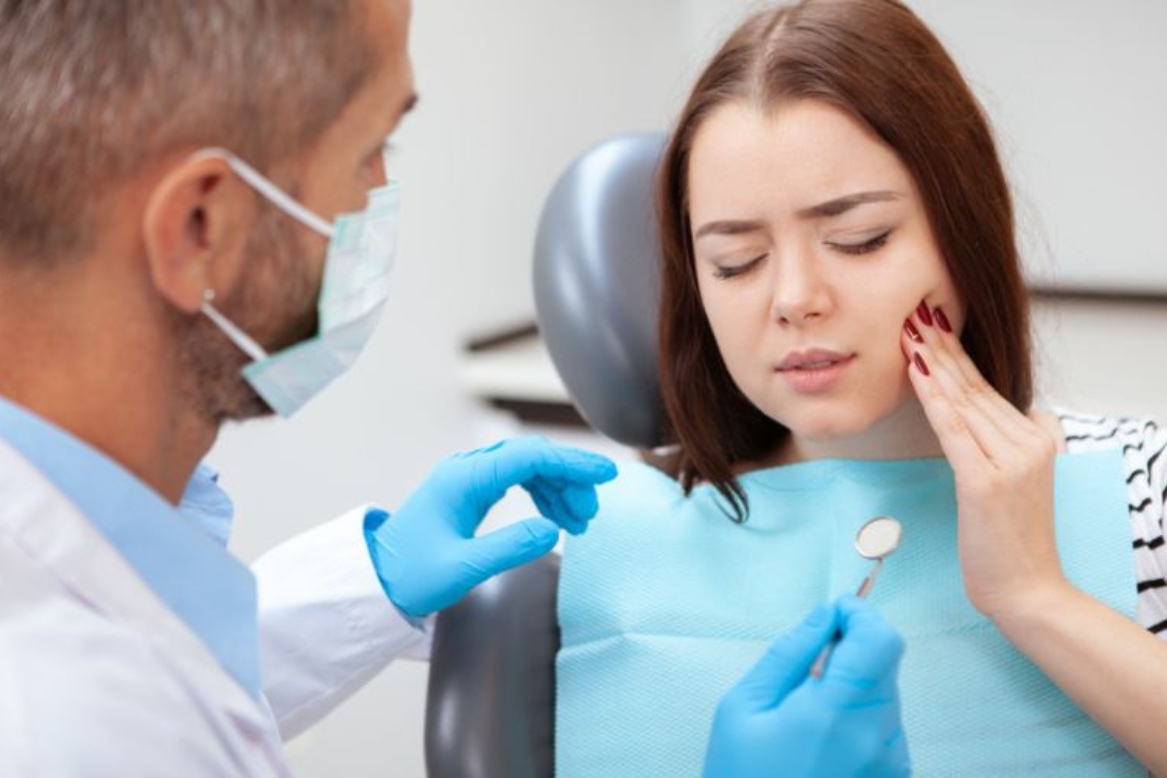
If the pain is intense and doesn’t subside after a few hours, or if you experience sharp discomfort when touching the tooth, this may indicate nerve damage or an exposed pulp. These situations require immediate attention from a dentist to prevent further complications, such as infection.
Visible Nerve or Pulp
If the inner part of the tooth, known as the pulp, is exposed, you should see a San Jose dentist immediately. Exposed nerves can cause intense pain and are highly vulnerable to infection. Left untreated, this can lead to tooth decay or even the loss of the tooth.
Loose Teeth
A loose tooth, especially if it has been displaced or knocked out of position, is a serious emergency. Even if there is no pain, a loose tooth may cause damage to the surrounding tissues, including the gums and jawbone. Quick intervention is necessary to secure the tooth and prevent further injury.
Signs of Infection
Signs of infection, such as swelling, redness, or the presence of pus around the broken tooth, are indicators of a more severe issue. Infections can spread to the surrounding tissues and even into the bloodstream, leading to serious health risks. Immediate treatment is required to address the infection and prevent complications.
What to Expect at the Dentist
When you visit Arbor Dental Group for a broken tooth, here’s what you can expect during your appointment:
Treatment Options
Your emergency dentist in San Jose will assess the extent of the damage and recommend the appropriate treatment. For minor fractures, a dental filling or bonding may suffice. For more severe breaks, a crown or root canal therapy may be required to save the tooth.
Possible Follow-Up Appointments
After your initial treatment, you may need to return for follow-up visits to ensure proper healing. If you had a root canal or other extensive treatment, multiple visits might be required to fully restore your tooth’s function.
Long-Term Care
To ensure the longevity of your restored tooth, your dentist will provide aftercare instructions. This may include avoiding certain foods and habits, maintaining good oral hygiene, and scheduling regular dental check-ups to monitor the health of your teeth.
How to Prevent Future Tooth Breaks
While accidents happen, there are steps you can take to prevent future tooth injuries:
Protective Measures
If you play sports or engage in activities that increase the risk of injury, consider wearing a mouthguard. A well-fitted mouthguard can help protect your teeth from damage during high-contact activities.
Strengthening Teeth
Maintain strong, healthy teeth by practicing good oral hygiene, brushing twice a day, flossing, and using fluoride toothpaste. Regular visits to Arbor Dental Group for check-ups and cleanings will help detect any potential problems early, ensuring your teeth remain in top condition.
Diet Tips
Avoid chewing on hard items like ice, pens, or hard candies that can damage your teeth. Eating a balanced diet with plenty of fruits, vegetables, and calcium-rich foods will help strengthen your teeth and keep them resilient against wear and tear.
A broken tooth is not just an inconvenience. It can be a dental emergency that requires swift attention. Remember to stay calm, control bleeding, and seek professional care as soon as possible. The sooner you act, the better the chance of saving your tooth and avoiding long-term damage.
If you’ve faced a broken tooth, don’t wait. Contact Arbor Dental Group right away for expert emergency care. Our team is here to help you restore your smile and get back to living pain-free. Schedule an appointment with us today!
Frequently Asked Questions
How can I stop bleeding from a broken tooth?
Use a clean cloth or gauze to apply gentle pressure on the bleeding area until it stops.
What if I can’t find the broken tooth piece?
It’s still important to visit the dentist as soon as possible to prevent complications.
When should I seek immediate dental care?
If you experience severe pain, visible nerve or pulp, loose teeth, or signs of infection like swelling or pus.
Can I eat with a broken tooth?
Avoid chewing with the broken tooth to prevent further damage. Stick to soft foods.
How long can I wait before seeing a dentist?
You should seek dental care as soon as possible, delaying can lead to infection and worsen the damage.
 Back
Back Back
Back